Exploring Watercolor Techniques in Our Art Classes
- jemma fassett

- 22 hours ago
- 4 min read
Watercolor painting is a captivating medium that allows artists to express their creativity with fluidity and vibrancy. In our art classes, we delve into various watercolor techniques that not only enhance artistic skills but also foster a deeper appreciation for this versatile form of art. Whether you are a beginner or an experienced artist, understanding these techniques can elevate your work and inspire new ideas.
The Basics of Watercolor
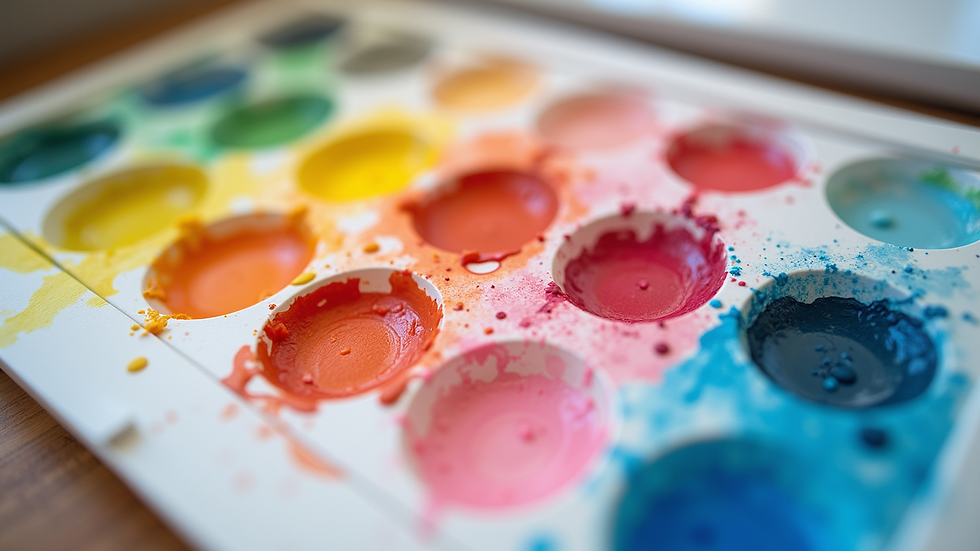
Before diving into specific techniques, it's essential to grasp the fundamental aspects of watercolor painting. Watercolors are made from pigments suspended in a water-based solution, which allows for a unique blending of colors and transparency. Here are some key points to consider:
Transparency: Watercolors are known for their transparent qualities, allowing light to reflect off the paper and create a luminous effect.
Layering: Artists can build depth and complexity by layering washes of color. This technique requires patience and an understanding of how colors interact.
Brush Types: Different brushes can produce various effects. Flat brushes are great for washes, while round brushes are ideal for detail work.
Essential Watercolor Techniques
Wet-on-Wet Technique
The wet-on-wet technique involves applying wet paint onto a wet surface. This method creates soft edges and allows colors to blend seamlessly. Here’s how to practice it:
Prepare Your Paper: Use a wet brush to dampen the paper.
Choose Your Colors: Select two or more colors and apply them to the wet surface.
Observe the Blending: Watch how the colors merge and create new shades.
This technique is perfect for painting skies, landscapes, or abstract pieces where soft transitions are desired.
Wet-on-Dry Technique
In contrast to wet-on-wet, the wet-on-dry technique involves applying wet paint onto dry paper. This method produces sharper edges and more defined shapes. To try this technique:
Dry Your Paper: Ensure your paper is completely dry.
Load Your Brush: Dip your brush in water and then into the paint.
Apply with Precision: Paint directly onto the dry surface, controlling the amount of water and pigment.
This technique is excellent for detailed work, such as flowers or architectural elements.
Glazing
Glazing is a technique that involves applying a transparent layer of paint over a dried layer. This method enhances color depth and richness. Here’s how to glaze effectively:
Let the First Layer Dry: Allow your initial wash to dry completely.
Mix a Transparent Color: Use a small amount of pigment mixed with water.
Apply the Glaze: Brush the transparent color over the dried layer, allowing the underlying color to show through.
Glazing can transform a flat painting into a vibrant masterpiece by adding dimension.
Lifting
Lifting is a technique used to remove paint from the paper, allowing for corrections or highlights. This can be done using a damp brush or a paper towel. Here’s how to lift effectively:
Wet the Area: Use a clean, damp brush to moisten the area you want to lift.
Blot with a Paper Towel: Gently blot the area to absorb the paint.
Repeat if Necessary: If the color remains, repeat the process until you achieve the desired effect.
Lifting is particularly useful for creating highlights or correcting mistakes.
Salt Technique
Using salt in watercolor painting can create unique textures and effects. When salt is sprinkled onto wet paint, it absorbs the water and leaves behind interesting patterns. Here’s how to use this technique:
Apply a Wash: Create a wet wash of color on your paper.
Sprinkle Salt: While the paint is still wet, sprinkle salt onto the surface.
Let It Dry: Allow the painting to dry completely before brushing off the salt.
This technique is great for creating starry skies or textured backgrounds.
Practical Applications of Watercolor Techniques
Landscape Painting
Watercolor techniques shine in landscape painting. The wet-on-wet technique is particularly effective for capturing the softness of clouds and the fluidity of water. For example, when painting a sunset, start with a wet wash of yellow and orange, then add purple and blue for the sky, allowing the colors to blend naturally.
Floral Art
Floral compositions benefit from the wet-on-dry technique, which allows for precise detailing. Use a round brush to paint the petals, layering colors to create depth. Glazing can enhance the vibrancy of the flowers, making them appear more lifelike.
Abstract Art
Watercolor is also a fantastic medium for abstract art. Techniques like salt and lifting can create unexpected textures and patterns. Experiment with different colors and techniques to express emotions or concepts without the constraints of realism.
Tips for Success in Watercolor
Practice Regularly: The more you paint, the more comfortable you will become with the medium.
Experiment: Don’t be afraid to try new techniques or color combinations.
Use Quality Materials: Invest in good-quality paints, brushes, and paper to achieve the best results.
Stay Patient: Watercolor requires patience, especially when layering colors. Allow each layer to dry before adding more.
Conclusion
Exploring watercolor techniques in our art classes opens up a world of creativity and expression. By mastering methods like wet-on-wet, glazing, and lifting, artists can create stunning works that showcase their unique style. Remember to practice regularly and embrace experimentation. Whether you are painting landscapes, florals, or abstract pieces, the beauty of watercolor lies in its ability to surprise and inspire. So grab your brushes, and let your creativity flow!


Comments