Beginner's Guide to Acrylic Painting at Milltown Art
- jemma fassett

- 22 hours ago
- 4 min read
Acrylic painting is a versatile and accessible medium that has gained popularity among artists of all skill levels. Whether you're a complete novice or looking to refine your technique, this guide will provide you with the essential knowledge and tips to get started with acrylic painting at Milltown Art.
What is Acrylic Painting?
Acrylic paint is a fast-drying paint made of pigment suspended in acrylic polymer emulsion. It can be diluted with water, but once dry, it becomes water-resistant. This unique property allows for a wide range of techniques and styles, making it an excellent choice for beginners.
Benefits of Acrylic Painting
Quick Drying Time: Acrylics dry faster than oil paints, allowing you to work quickly and layer your colors without long waiting periods.
Versatility: You can use acrylics on various surfaces, including canvas, wood, paper, and even fabric.
Easy Cleanup: Since acrylics are water-based, you can clean your brushes and tools with soap and water.
Vibrant Colors: Acrylic paints offer bright, bold colors that can be mixed easily to create a wide palette.
Essential Supplies for Acrylic Painting
Before you start painting, it's important to gather the necessary supplies. Here’s a list of essential items you’ll need:
Paints
Acrylic Paints: Invest in a basic set of acrylic paints. Look for student-grade paints if you're just starting, as they are more affordable.
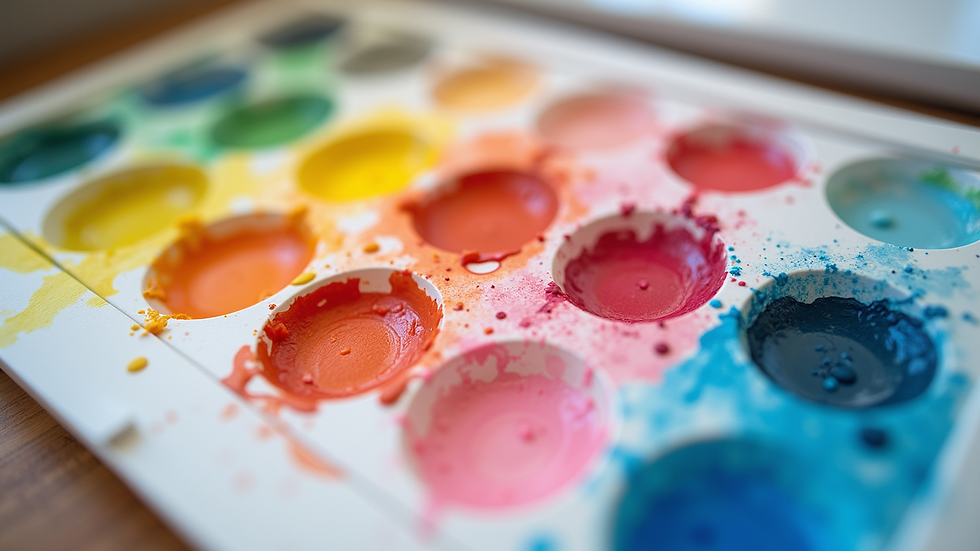
Color Palette: A palette is essential for mixing colors. You can use a disposable palette, a ceramic plate, or a traditional wooden palette.
Brushes
Variety of Brushes: Get a range of brushes in different shapes and sizes. Flat, round, and filbert brushes are great for various techniques.
Brush Care: Always clean your brushes immediately after use to maintain their shape and longevity.
Canvas and Surfaces
Canvas: Pre-stretched canvases or canvas boards are great for beginners. They come in various sizes and are ready to paint on.
Other Surfaces: You can also experiment with watercolor paper, wood panels, or even cardboard.
Additional Tools
Easel: While not mandatory, an easel can provide comfort and stability while you paint.
Palette Knife: Useful for mixing paint and applying thick layers.
Water Container: For rinsing brushes and thinning paint.
Rags or Paper Towels: For cleaning brushes and wiping spills.
Basic Techniques for Acrylic Painting
Once you have your supplies ready, it's time to learn some basic techniques that will help you get started with acrylic painting.
1. Color Mixing
Understanding color theory is crucial for any artist. Start by mixing primary colors (red, blue, yellow) to create secondary colors (green, orange, purple). Experiment with different ratios to see how colors change.
2. Layering
Acrylics dry quickly, allowing you to layer colors effectively. Start with a base layer and let it dry before adding additional layers. This technique can create depth and dimension in your artwork.
3. Dry Brushing
This technique involves using a dry brush with minimal paint to create texture. It’s great for adding highlights or creating a soft, blended effect.
4. Glazing
Glazing involves applying a thin, transparent layer of paint over a dried layer. This technique can enhance colors and create a luminous effect.
5. Washing
A wash is a thin layer of diluted paint that can be used to create a translucent effect. This technique is useful for backgrounds or to soften colors.
Getting Started: Your First Acrylic Painting
Now that you have the basics down, it’s time to create your first acrylic painting. Here’s a simple step-by-step guide to help you through the process.
Step 1: Choose Your Subject
Select a simple subject for your first painting. It could be a still life, a landscape, or even an abstract piece. Keep it uncomplicated to avoid feeling overwhelmed.
Step 2: Sketch Your Design
Lightly sketch your design on the canvas using a pencil. This will serve as a guide for your painting.
Step 3: Start with the Background
Begin by painting the background first. Use a larger brush to cover the canvas with a base color. Let it dry before moving on to the foreground.
Step 4: Add Layers
Once the background is dry, start adding layers to your subject. Work from the back to the front, allowing each layer to dry before adding the next.
Step 5: Final Touches
After you’ve completed your painting, step back and assess your work. Add any final touches or highlights to enhance your piece.

Tips for Success
Practice Regularly: The more you paint, the better you will become. Set aside time each week to practice.
Don’t Fear Mistakes: Mistakes are part of the learning process. Embrace them and learn from them.
Seek Feedback: Share your work with friends or fellow artists to gain constructive feedback.
Experiment: Don’t be afraid to try new techniques or styles. Acrylics are forgiving, so you can easily paint over mistakes.
Joining the Acrylic Painting Community at Milltown Art
At Milltown Art, we offer a variety of classes and workshops for all skill levels. Joining a community of artists can provide support, inspiration, and valuable learning opportunities. Here’s how you can get involved:
Classes and Workshops
Beginner Classes: Our beginner classes are designed to introduce you to the basics of acrylic painting in a supportive environment.
Open Studio Sessions: Join our open studio sessions to work on your projects while receiving guidance from experienced instructors.
Online Resources
Tutorials: Check out our online tutorials for step-by-step guidance on various techniques.
Community Forum: Join our online forum to connect with other artists, share your work, and ask questions.
Conclusion
Acrylic painting is a rewarding and enjoyable art form that anyone can learn. With the right supplies, techniques, and a supportive community like Milltown Art, you can unleash your creativity and develop your skills. Remember to practice regularly, embrace your mistakes, and most importantly, have fun with your art.
Now that you have the tools and knowledge to get started, why not pick up a brush and begin your acrylic painting journey today? Happy painting!

Comments